Making the Impossible Possible
The Story of Chimi Dema and Sapuna Subba
Some mornings quietly change the course of a life. For two of Bhutan’s proudest Paralympians, this was one of them.
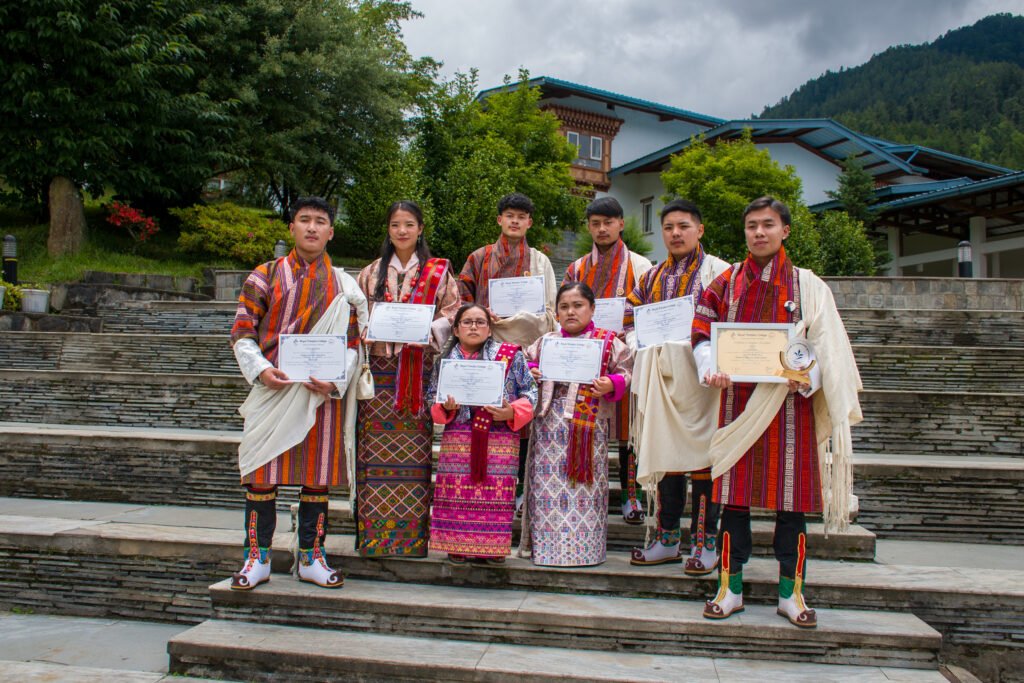
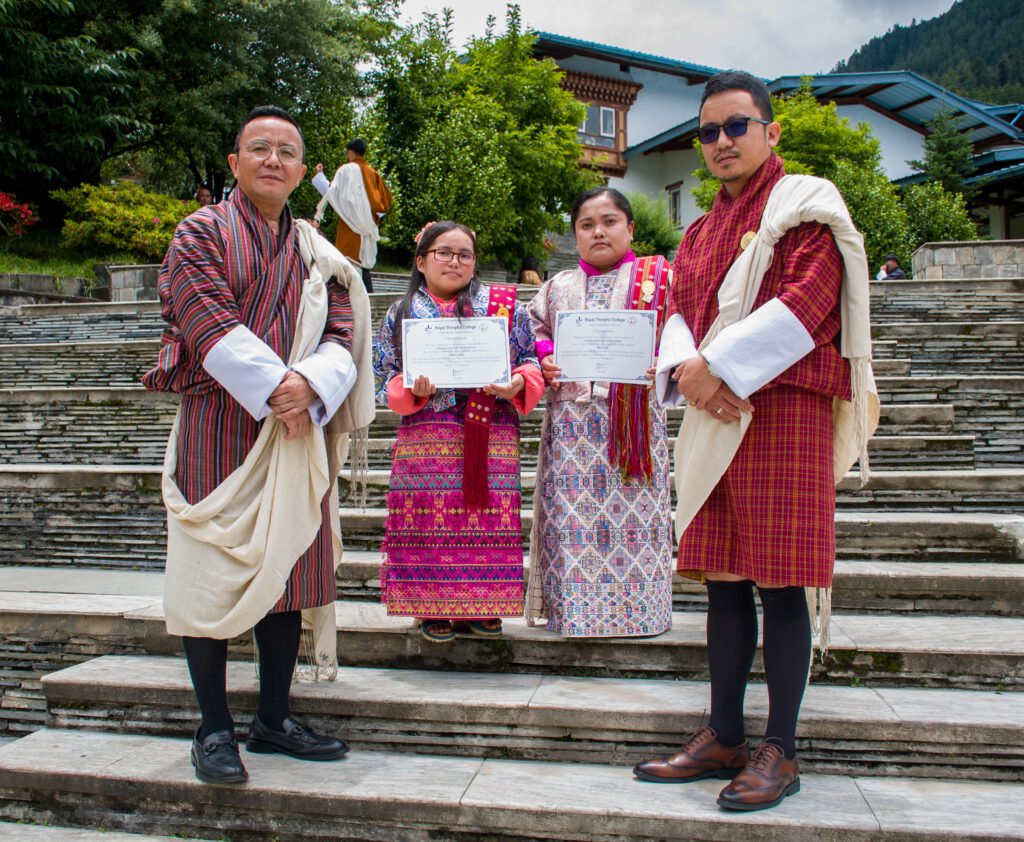
At Royal Thimphu College, Chimi Dema and Sapuna Subba walked across the graduation stage in their academic gowns, degrees finally in hand — four years of balancing lecture halls with competition arenas brought to a close. Both graduated with a Bachelor’s in Sports and Health Science. And for anyone who knows how their journeys began, this was a moment that once seemed almost impossible to imagine.
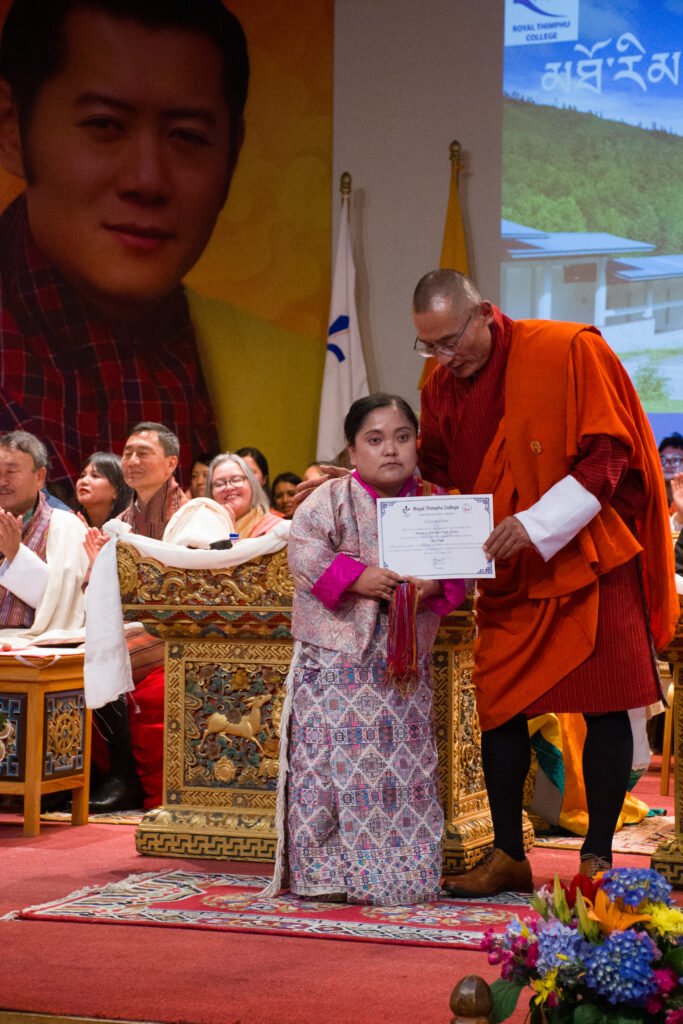
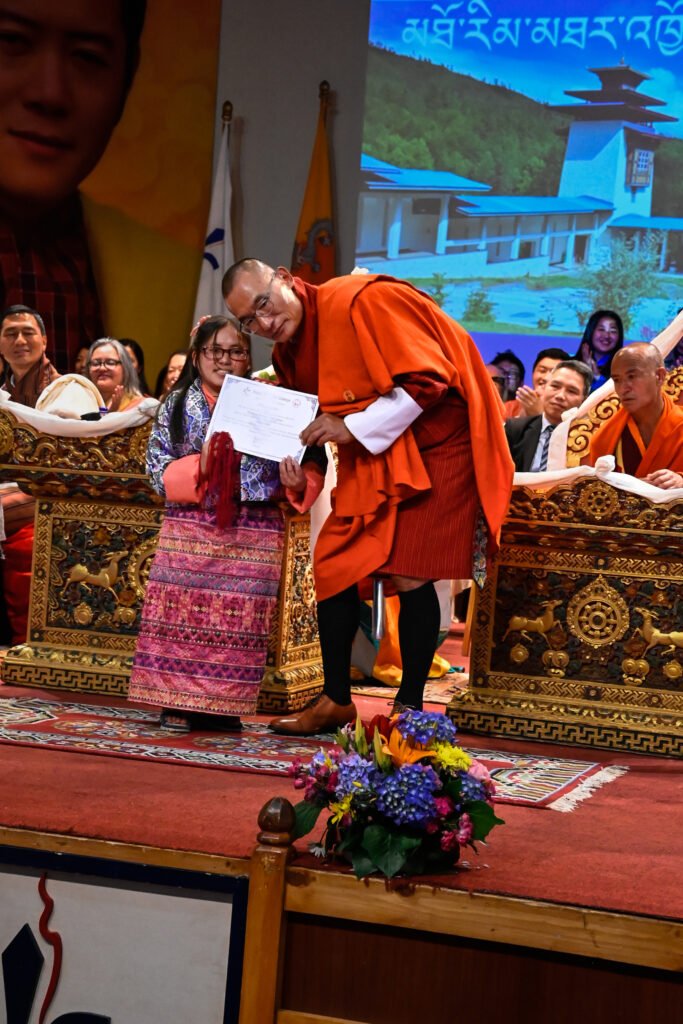
Because not so long ago, the world looked very different for both of them.
Chimi grew up in a village in Mongar, and her early years were shaped by hardship, uncertainty, and the quiet question that so many people with disabilities are made to ask themselves: how far can I really go? Then she found the shot put circle. Competing in the Women’s F40 category, she threw her way from that village to the world stage. She became Bhutan’s first-ever female Paralympian, representing the country at the Beijing Grand Prix, the World Para Athletics Championships in Dubai, the Tokyo 2020 Paralympic Games, and the Asian Para Games. Along the way she claimed silver at the Indian Open Para Athletics International Championship in Bengaluru and again at the 2025 World Para Athletics Grand Prix in New Delhi — each medal a new line in Bhutan’s young Paralympic story.
Sapuna’s path began in the valleys of Dagana, where she discovered para-badminton. She made her international debut at the 2021 Asian Youth Para Games in Bahrain, returning home with two bronze medals, and went on to compete at the Asian Para Games in Hangzhou. Like Chimi, she chased her sport while carrying a full academic workload — training on tour, joining online classes from hotel rooms overseas, and catching up on missed lectures late into the night.
Neither of them did it alone. The door that made all of this possible was the BOC–RTC Sports Scholarship, a partnership between the Bhutan Olympic Committee and Royal Thimphu College. That scholarship gave two athletes who might otherwise never have set foot in a university the chance to earn a degree — without giving up their place on the international podium. It was never an easy balance. But today, that balance paid off in the form of two graduates who are now equipped not just to compete, but to build lives, careers, and futures on their own terms.
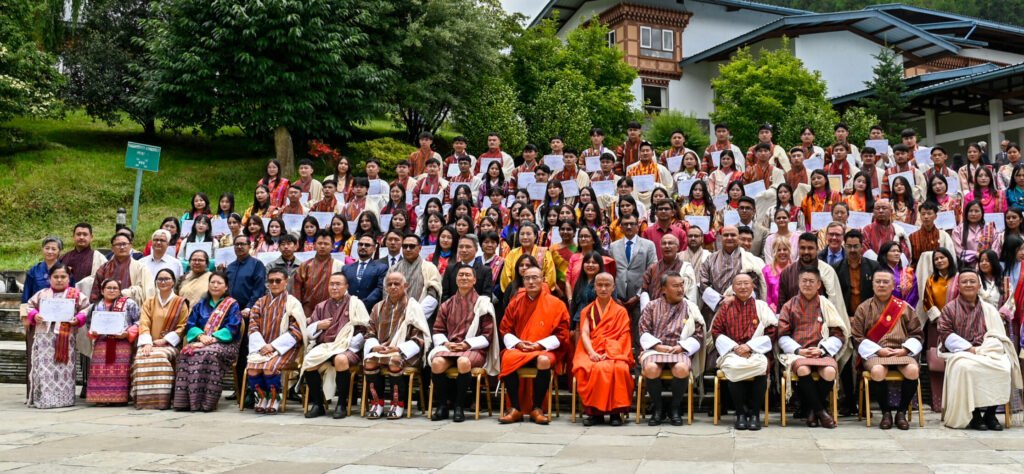
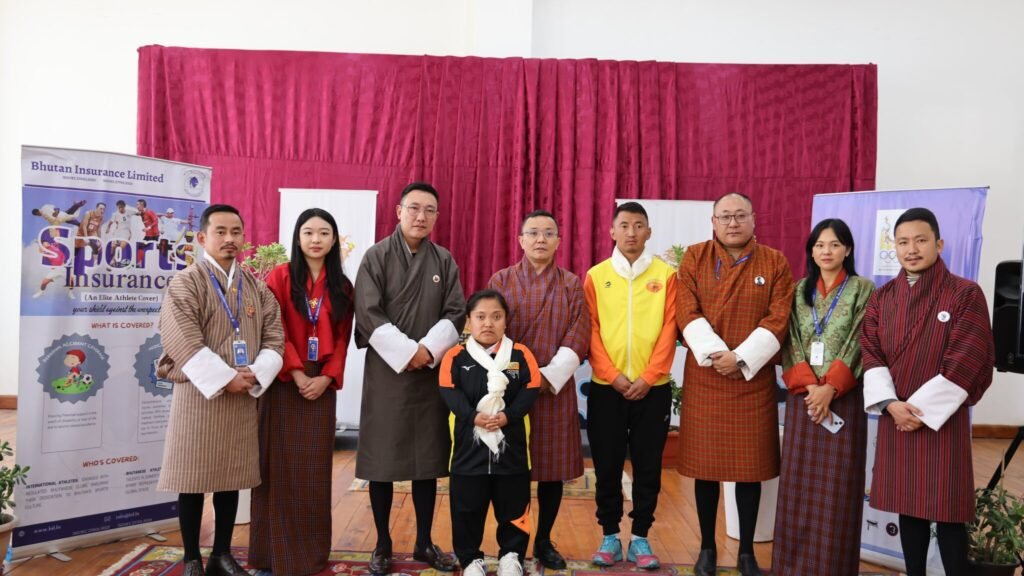
The Secretary General of the Bhutan Olympic Committee was present at the Graduation Ceremony today, along with representatives from the Paralympic family, to applaud both graduates and to mark the moment officially as one of BPC’s own. Speeches were given, photographs taken, and the kind of pride that only comes after years of quiet, unglamorous work filled the hall.
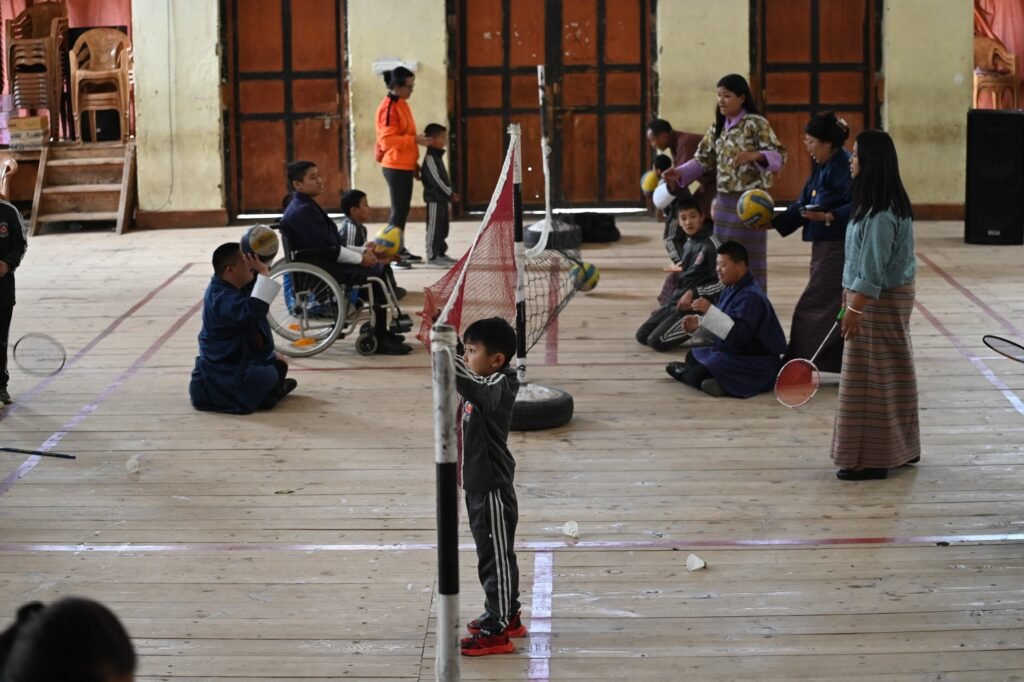
This is what para-sport can do. It does not simply hand out medals. It opens doors. It turns “impossible” into “in progress.” It takes young people who were once told to expect less, and it hands them independence, purpose, and the confidence to stand on any stage in the world.
And the story didn’t end at graduation.
Bhutan Insurance Limited (BIL) — BPC’s valued sponsor and one of the strongest champions of the Paralympic movement in Bhutan — took the stage to announce something remarkable: the company will be offering both Chimi Dema and Sapuna Subba employment within its ranks. A career to stand alongside the sporting legacy they have already built.
For two women who once wondered whether disability would close doors before they could even reach them, this was a powerful answer.
On behalf of the entire BPC family, we extend our heartfelt gratitude to Bhutan Insurance Limited — not only for this generous gesture, but for everything the company continues to do to support para-sport in Bhutan, from sponsorship and medical coverage to championing our athletes when it matters most. BIL has shown what it truly means to invest in people. We hope their example inspires more companies and agencies across the country to open their doors to athletes and individuals with disabilities — not as charity, but as recognition of the talent, discipline, and resilience they bring.
To Chimi and Sapuna: your journey is not ending today. It is simply turning to a new chapter. From training grounds to international podiums, and now into meaningful careers, you carry a message this nation needs to hear — that disability does not define limits, and that with the right support, every dream is within reach.