Boccia: The Paralympic Sport of Precision, Now in Bhutan
Boccia is a precision ball sport played indoors on a smooth, flat court. It belongs to the same family of target games as bowls and pétanque, and although it is unfamiliar to most Bhutanese, it is among the most widely played para-sports in the world and has been part of the Paralympic Games since 1984. It is also one of only two sports on the Paralympic programme with no equivalent at the Olympic Games, the other being goalball. The sport is governed internationally by World Boccia, which oversees its rules, its classification system and the international competition calendar.
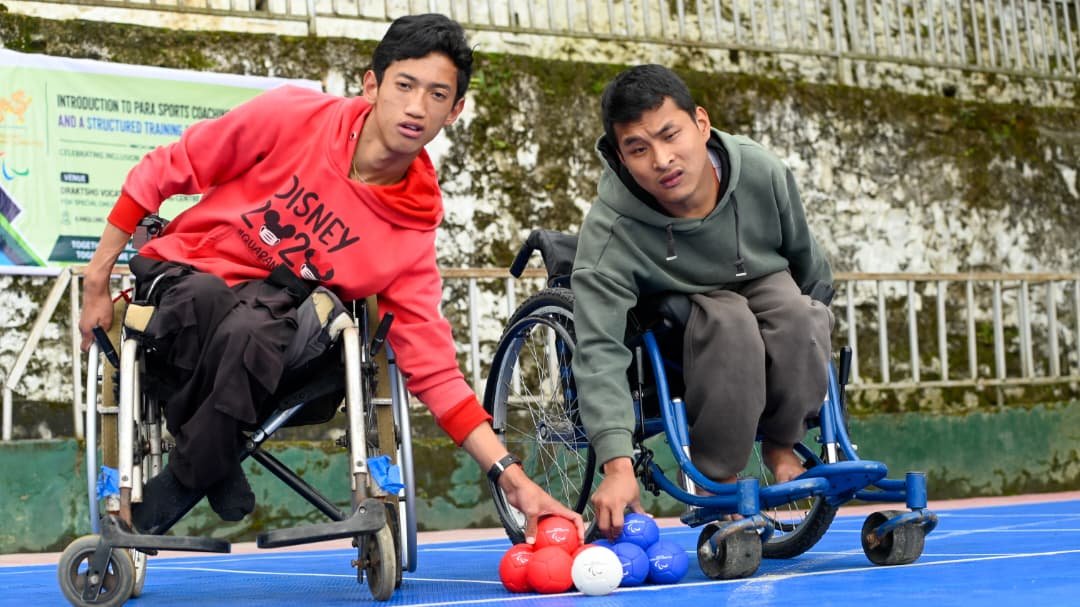
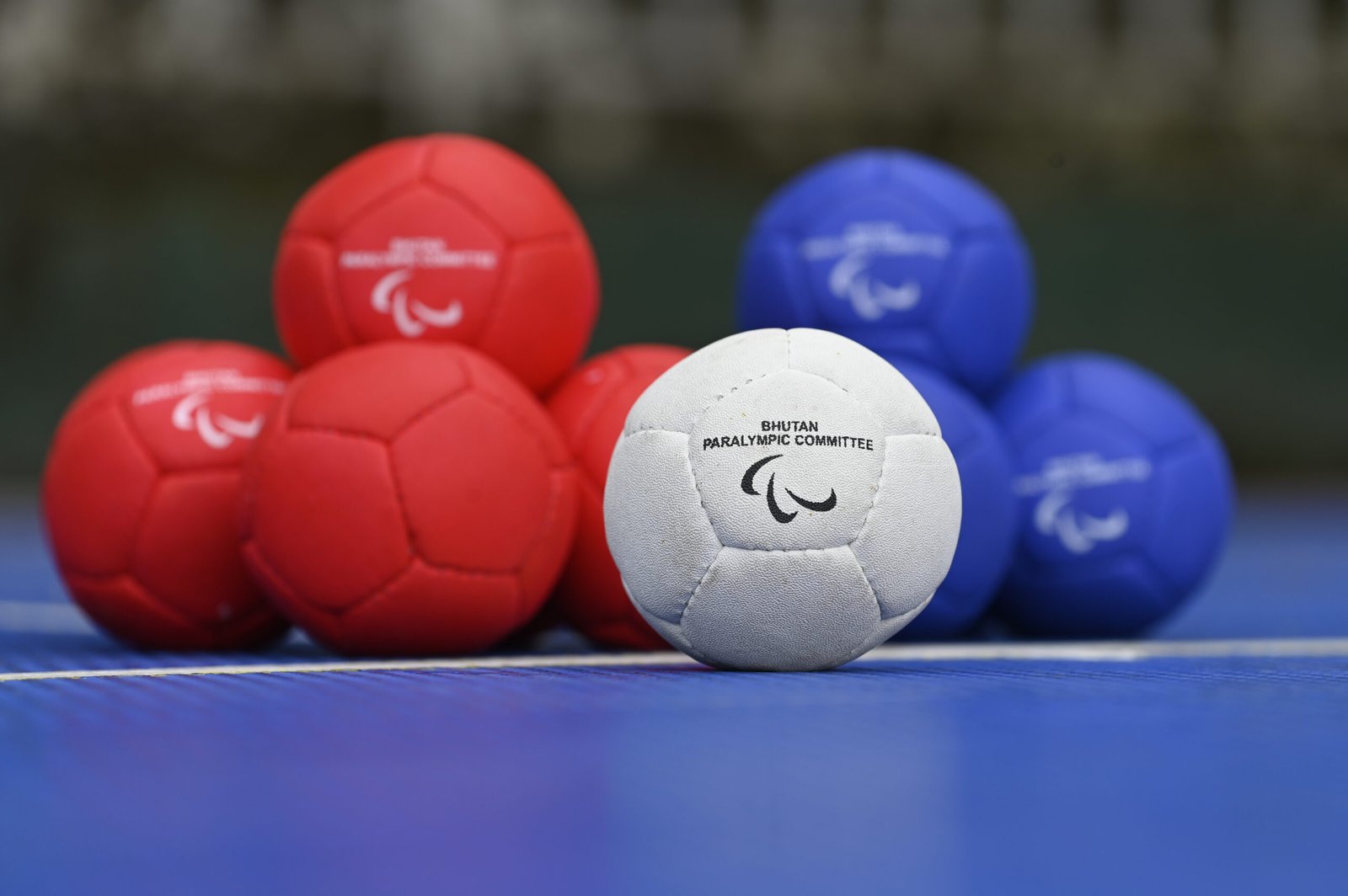
The game itself is simple to explain and difficult to master. A small white target ball, known as the jack, is thrown onto the court. Each side then plays six balls, one side red and the other blue, attempting to place them as close to the jack as possible or to knock the opponent’s balls out of position. At the end of each round, called an end, the side with the ball closest to the jack scores, earning one point for every one of its balls lying closer to the jack than the opponent’s nearest ball. Matches are played over four ends in individual and pair competition and six ends in team competition, with an extra end to decide a tied match. Balls may be thrown, rolled, kicked or released down a ramp. They are made of leather, weigh about 275 grams each and come in different grades of hardness, so that athletes can choose equipment suited to their style of play.
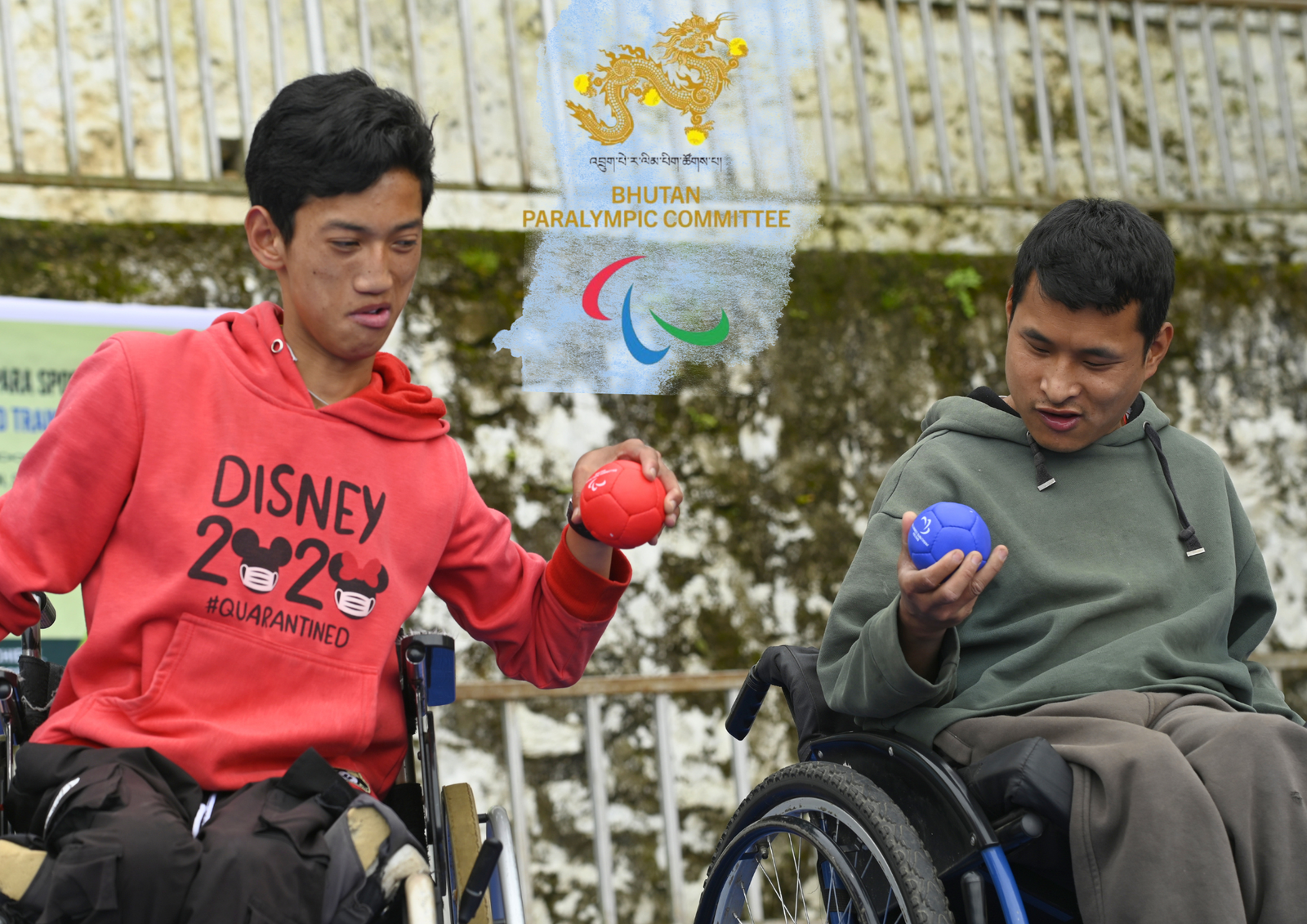
Boccia was originally developed for athletes with cerebral palsy, and today it is played by athletes with a range of severe physical impairments affecting motor function and coordination, including muscular dystrophy and the effects of brain or spinal injury. It is one of the very few sports designed specifically for athletes with high support needs, for whom almost every other sport remains out of reach. So that competition is fair, international athletes are grouped into four sport classes.
Athletes in BC1 throw or kick the ball and may have an assistant positioned outside the playing area to steady or adjust their chair and pass them a ball on request.
Athletes in BC2 throw the ball with the hand and play without any assistance. Athletes in BC3 are unable to throw or kick the ball into play and compete using an assistive ramp, helped by an assistant who must sit with their back to the court and is not permitted to watch the play, so that every instruction comes from the athlete. Athletes in BC4 have significant impairment of locomotor function arising from a condition other than cerebral palsy and throw the ball without ramps or assistive devices.
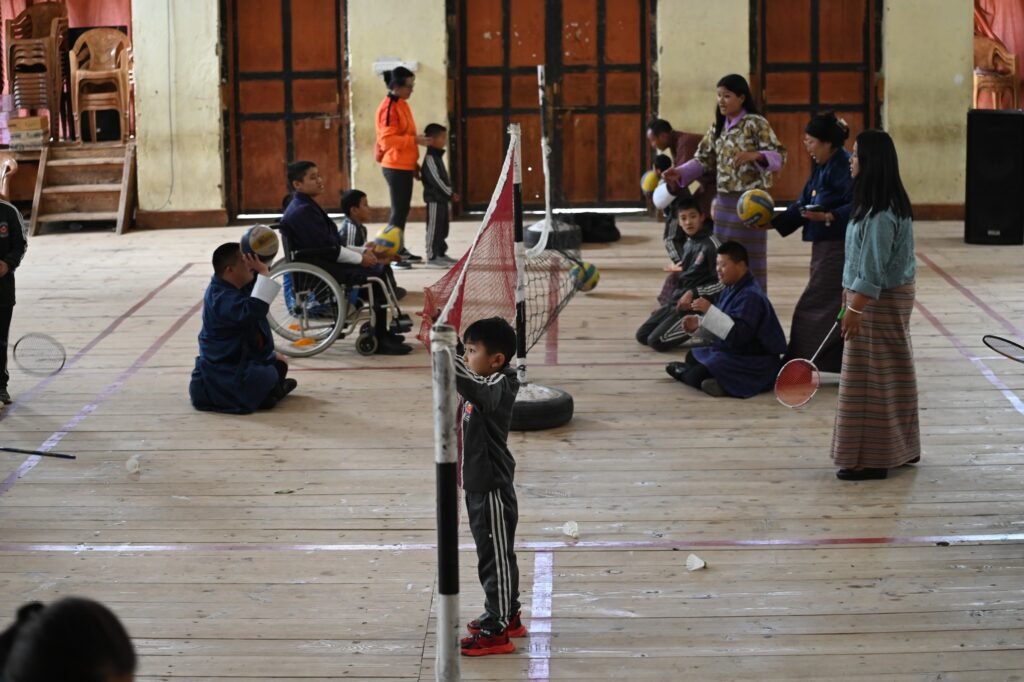
Beyond formal competition, Boccia is open to everyone. It can be played seated or standing, by children and adults, by people with disabilities and people without. Because success depends on accuracy and tactics rather than on speed or strength, a player with a severe physical impairment can compete on genuinely equal terms with anybody else, and few sports in the world can make that claim. This is what makes Boccia so valuable in a school setting, where it allows children with special educational needs to play alongside and against their classmates in a real contest rather than a demonstration.
The benefits of the sport are considerable. Physically, Boccia develops hand-eye coordination, fine motor control, grip strength and controlled movement, and for players with limited mobility it offers purposeful, repeated physical activity in a form that is both safe and achievable, an important consideration where opportunities for exercise are otherwise few. Mentally, every ball played is a decision: whether to attack the jack, defend a scoring position or block an opponent’s line.
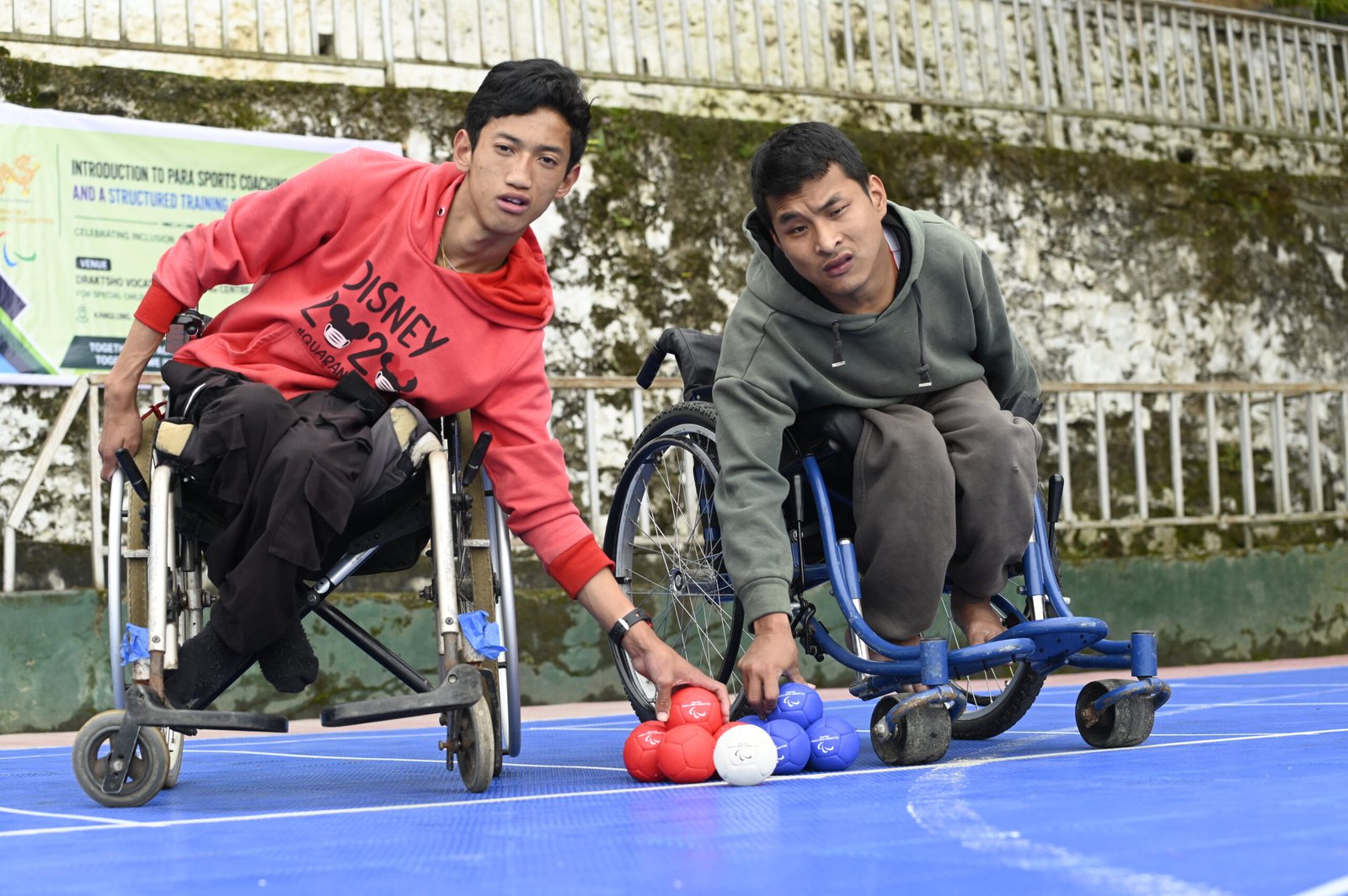
The sport sharpens concentration, spatial judgement, planning and the ability to stay composed under pressure. Emotionally and socially, it gives players something many have never had before, which is a sport of their own, with rules, opponents, teammates and a scoreboard, building confidence and a sense of belonging and offering the dignity of being judged on skill rather than on disability. Practically, Boccia requires no large playing field and no expensive infrastructure; a flat indoor floor, a set of balls and a marked court are enough, which makes it realistic for schools across Bhutan, including in dzongkhags where facilities are limited and winter weather restricts outdoor sport.
The Bhutan Paralympic Committee has formally introduced Boccia in Bhutan as part of its effort to widen the range of para-sports available to Bhutanese athletes, beginning with schools for children with special educational needs. The first phase of the programme comprised the formal introduction of the sport, a technical training programme for teachers and school sports instructors, and the supply of Boccia ball sets to the participating schools. A second phase of technical training is planned for the remaining special educational needs schools across the country, together with the supply of further equipment, so that every such school in Bhutan is able to offer the sport. The longer-term aim is a clear pathway for the athletes it produces: from the school hall, to national competition, and in time to Bhutanese athletes on the international Boccia court.
To learn more about Boccia, or to arrange an introduction or demonstration for your school or organisation, please contact the Bhutan Paralympic Committee.